About our club
A community for people who enjoy boating and the inland waterways.
Worsley Cruising Club
The original Worsley Cruising Club was founded in 1958 as a Cruising Association of boaters who mainly moored in the Worsley area of the Bridgewater Canal. In 1973 Worsley Cruising Club Ltd was formed after registration as a Limited Company.
As a Founder Member of the Federation of Bridgewater Cruising Clubs, the Club has made a substantial contribution to both the Bridgewater Canal and the Federation, especially by the involvement of its Board of Directors, Officers and Members in the organisation of rallies on the Federation's behalf. In addition, through its association with other waterways organisations, it contributes to the preservation and development of the national waterways system both as an amenity to the public and as part of the nation's heritage.
WCC is currently affiliated to the Federation of Bridgewater Cruising Clubs, the Association of Waterways Cruising Clubs, the Inland Waterways Association and the Royal Yachting Association.
The headquarters and Clubhouse of WCC is situated at the Patricroft Basin on the Bridgewater Canal. WCC also has additional moorings at Butts Basin in Leigh. The membership represents a wide cross-section of the community drawn from many areas in the North West. It is very much a Club of self-help, with members contributing skills, expertise and labour to ensure the further development and future sustainability of the Club.
The Bridgewater Canal
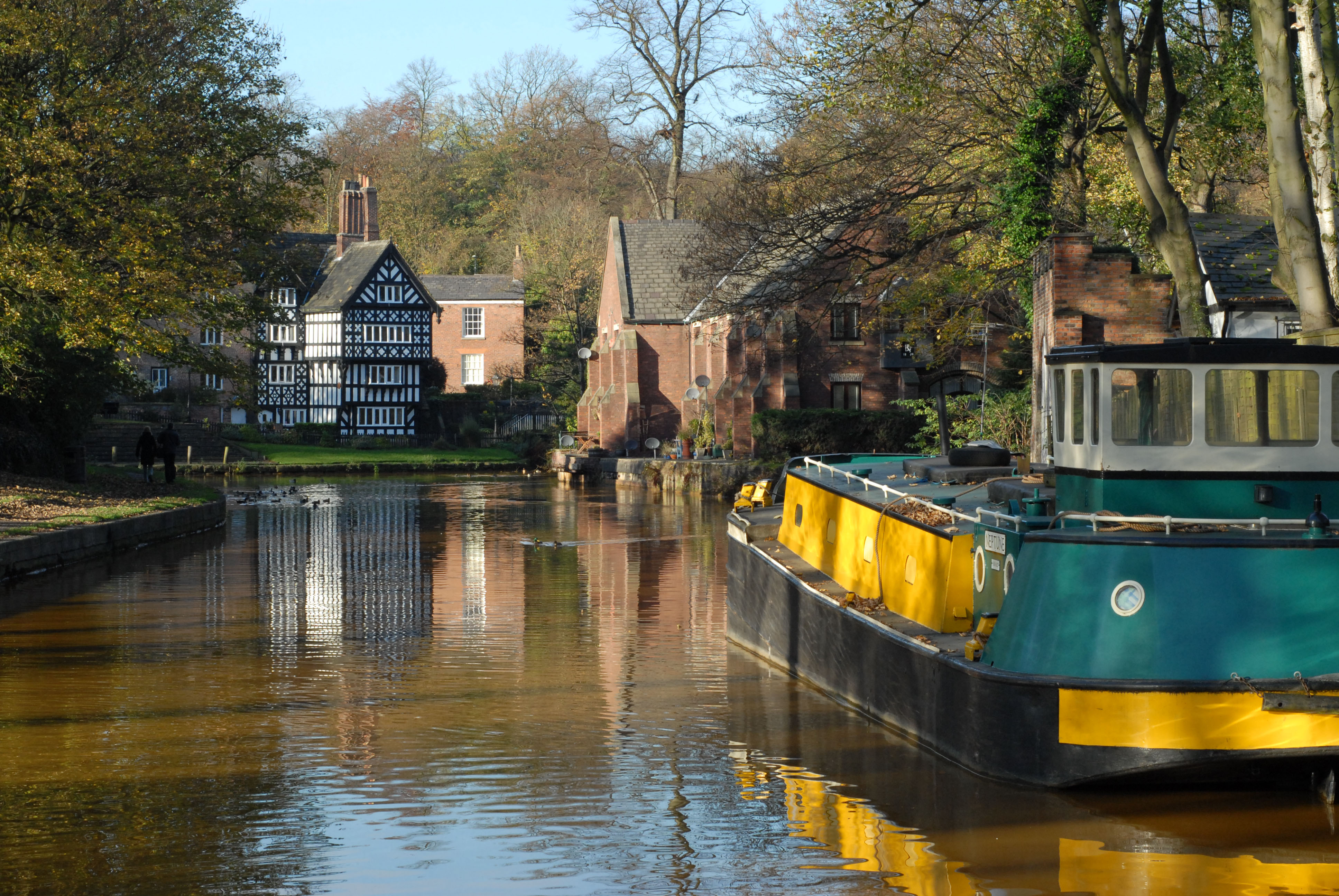

The Bridgewater Canal stretches approximately 39 miles (63 km) from Runcorn to Leigh, with a branch into Manchester. Commissioned by Francis Egerton, the third Duke of Bridgewater, its first section opened in 1761. John Gilbert and James Brindley helped develop its pioneering route. The main line was built at one level, following the contours of the land to avoid locks; former connections to the River Mersey at Runcorn did use locks.
The earlier Sankey Canal was authorised as the Sankey Brook Navigation in 1755 and was carrying coal by 1757. Although it followed the valley of the Sankey Brook, it was largely a newly cut artificial waterway, rather than simply an improved river. It is therefore recognised as England’s first industrial canal.
The Bridgewater took a different approach: a purpose-built route largely independent of existing rivers, famously crossing the River Irwell on Brindley’s Barton Aqueduct. Often described as England’s first “true” canal, it was a landmark of the Industrial Revolution. That traditional description should not obscure the Sankey’s earlier achievement: the Bridgewater’s engineering and commercial success helped inspire the canal-building boom and made it a pioneering model for the English canal system.
History: Bridgewater Canal Company · Sankey Canal Restoration Society · Historic England
Our burgee
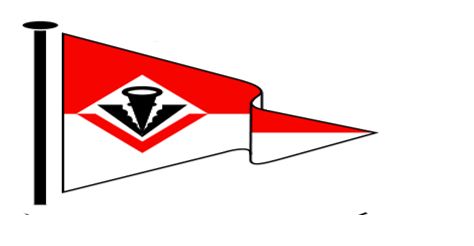
The Burgee of Worsley Cruising Club Limited, was designed by the late Founder member Roy Kenyan in collaboration with local Historian the late Frank Mullineux. It shows the Club's close links with Worsley, the home of the Country's inter-connected commercial waterway system.
The centre piece of the Burgee is the Pheon which is basic to the Egerton Family Coat of Arms. Francis Egerton - Third Duke of Bridgewater - was the founding father of our canals.
The red and white colours derive from the original Worsley Family and both colours and Pheon later appear in the Arms of the Town of Worsley, now sadly lapsed after Local Government re-organisation.
Patricroft Basin
The Club House
Cawder Street
Eccles, M30 0QF

For a precise location, open our what3words address:
///really.trails.sizes ↗